We help established service businesses use AI to improve how the work gets done.


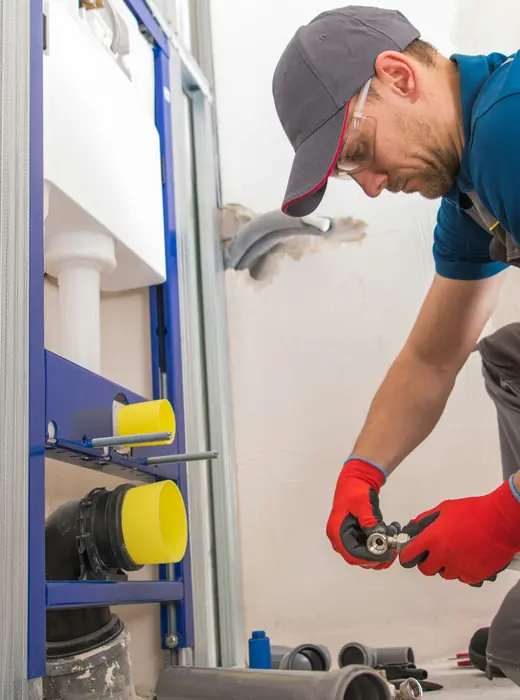

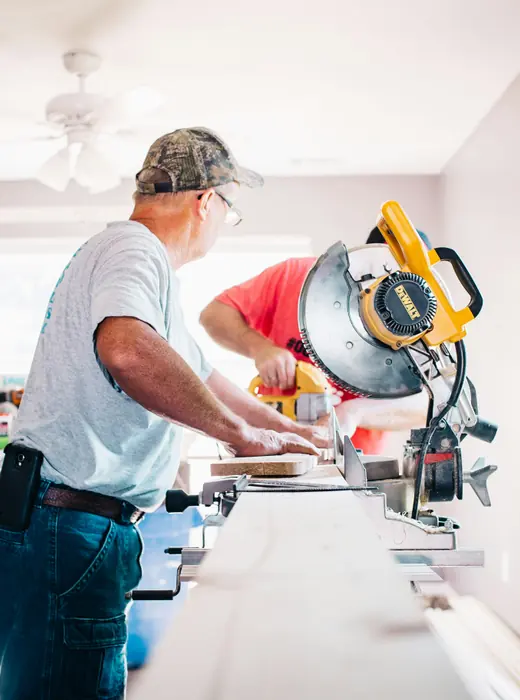




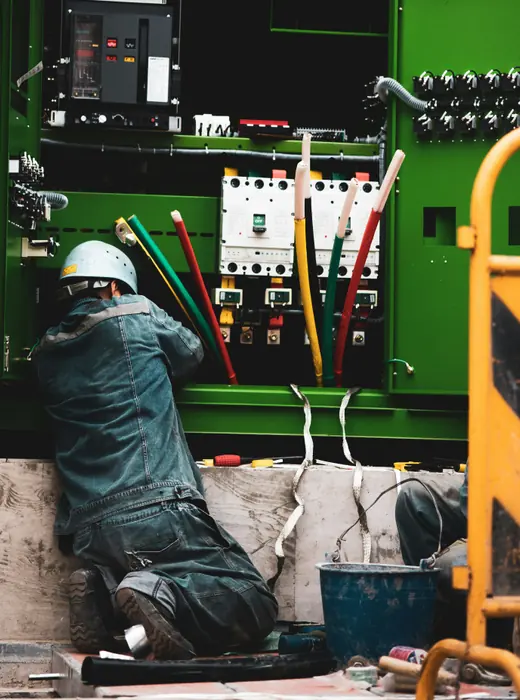

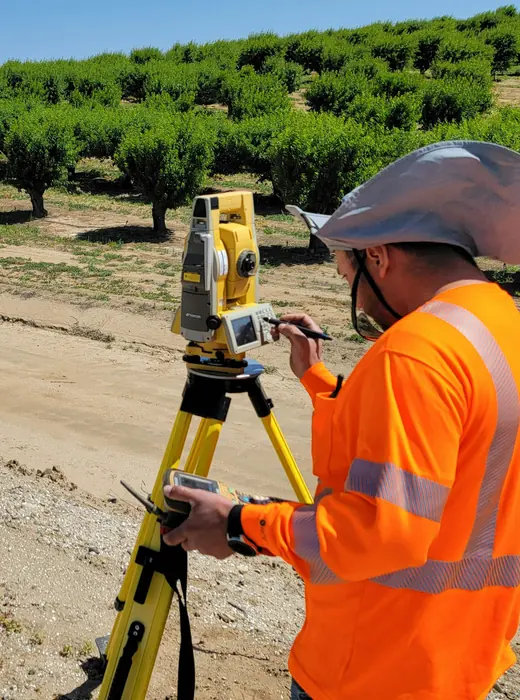




We’re an AI implementation firm for businesses that operate in the real world.
We work with companies to find the worthwhile problems to solve, build the technology ourselves, and get it working inside the business, alongside the systems and people already there.
Not just a roadmap. Something running.
We work with established service companies where people, process, and operational know-how matter.
The common thread is complex workflows: important work, many steps, imperfect systems, and plenty of opportunities for technology to make the operation better.

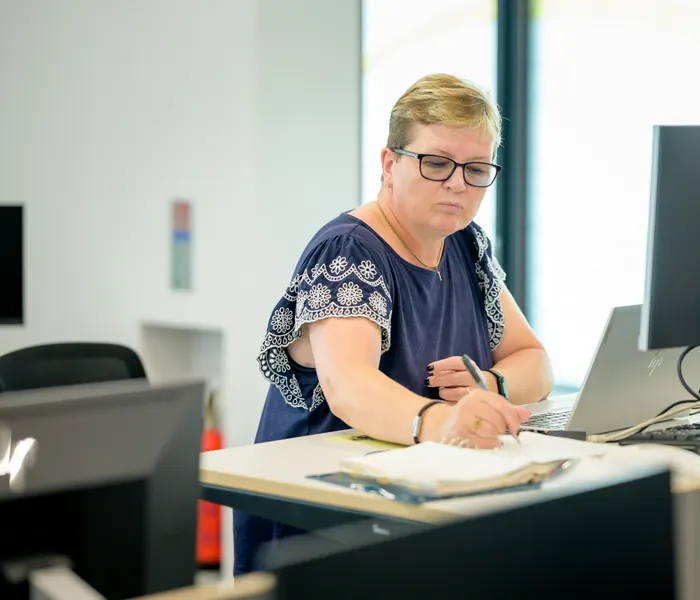
We embed with your people to make an impact.
Find the goal that matters
We start by understanding what would actually make a difference to the business: more capacity, less manual work, better decisions, fewer things falling through the cracks.
Learn how the work really happens
We spend time with the people who actually do it: at their desks, in the field, inside the systems they use every day.
Build around reality
Most businesses have years of accumulated processes, software, workarounds, and exceptions. We work with what's there rather than assuming everything needs to be replaced.
Prove it with something real
We'd rather solve one important problem well than hand you a list of twenty AI ideas. We build, put it into use, learn from what happens, and improve it from there. If it works, we keep going.
Examples of how we’ve helped
The context
Dispatch is the core of any field service business. What the owner wanted to know was whether the team he already had could finish more jobs in a day without anyone being overworked - growing the company without hiring more technicians or buying more trucks. That comes down to how the day gets scheduled, and the scheduling lived almost entirely in one dispatcher's head.
The work
We spent dozens of hours on site before writing any code, riding with technicians and sitting next to the dispatcher. Then we built a tool that weighs drive time against everything else the company actually cares about: certifications, parts on the truck, callbacks, customer windows, where the route leaves a technician at the end of the day, and plenty more. Off-the-shelf routing software optimizes for drive time; this one is tuned to how this company thinks about the work.
The impact
More jobs now fit into an average day. The tool also catches what a dispatcher moving fast will miss, like a two-man job with no second technician assigned. And the knowledge that used to sit with one dispatcher now sits somewhere the company can see it.
The context
Close took longer than the firm wanted, mostly because much of it was assembly and checking rather than accounting. Juniors built a review spreadsheet by hand for each client, then a senior read it line by line looking for the few things that were wrong.
The work
We sat in on the close, documented the workflow, and got down what the reviewers were looking for. That last part was the hard bit, since most of it had never been written down anywhere. Then we automated the manual steps, along with the review checks that were eating the most senior time.
The impact
The senior review didn't go away and shouldn't. It just runs against a short list of exceptions now, so reviewers spend their time on the calls that need judgment. The close is faster, and the firm can take on more clients without adding accountants.
The context
The firm wanted its accountants doing more advising and less tactical work. The difficulty was where the context lived: the onboarding call from two years ago, the email thread where something got decided, the tax quirk someone worked out in March. It sat across a dozen systems, and in a few people's heads.
The work
We built one central knowledge base of what the firm knows about each client, putting the financial data next to the messy qualitative record and structuring it so AI can use it. Everything else gets built on top of that, from routine automations like the month-end close to the strategic work like prepping for a quarterly advisory conversation.
The impact
An advisor carrying fifteen clients can't hold that much context about all fifteen, and now doesn't have to. Less of the meeting goes to reconstructing context and more of it to the advice, so the firm can offer that to more clients without hiring more senior people.
AI is a tool, not the objective.
Sometimes the right answer is incorporating an AI model. Sometimes it’s better software, better automation, or a simpler process.
We fit the technology to the business you already have, not the other way around.
We’re longtime product and technology leaders.
We left big tech and startups to work more closely with the businesses and people using what we build. Between us, we’ve worked at Google, Robinhood, and venture-backed technology companies. When you hire us, you work with us directly.
We’re intentionally small, hands-on, and selective about the companies we work with.